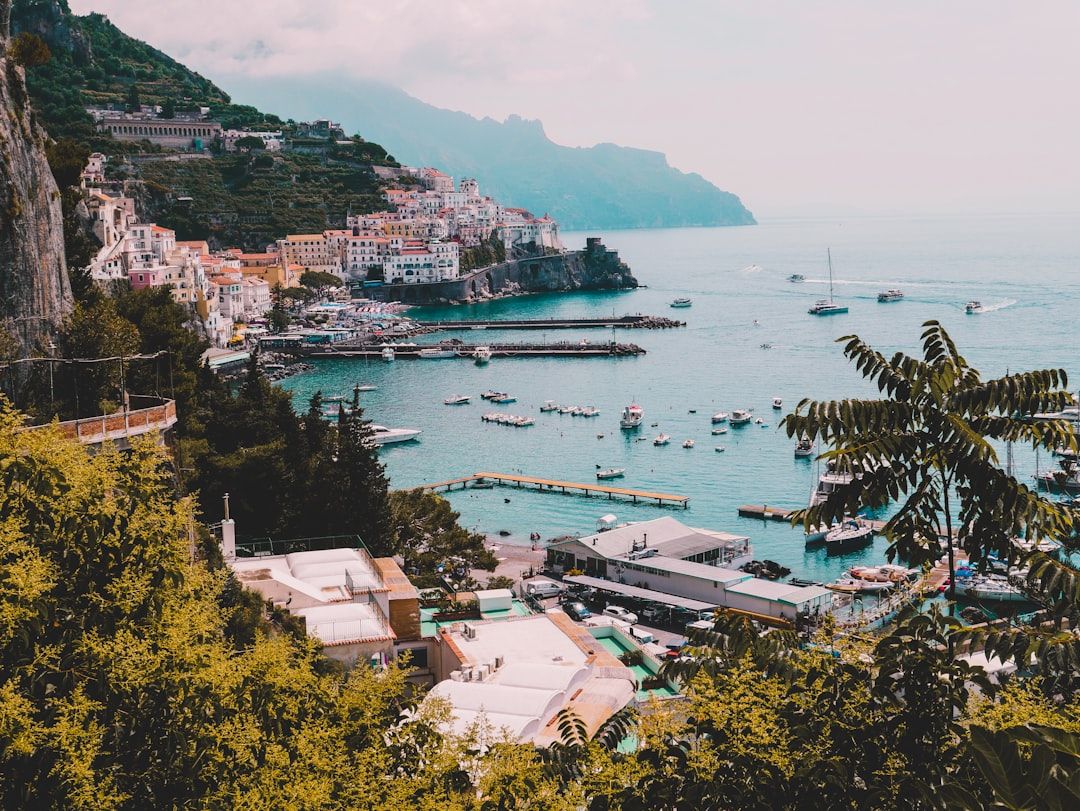
The Amalfi Coast is thirty kilometres of road cut into a cliff. It is spectacular, and how you travel it determines whether the trip is a pleasure or a slow-moving argument with a coach.
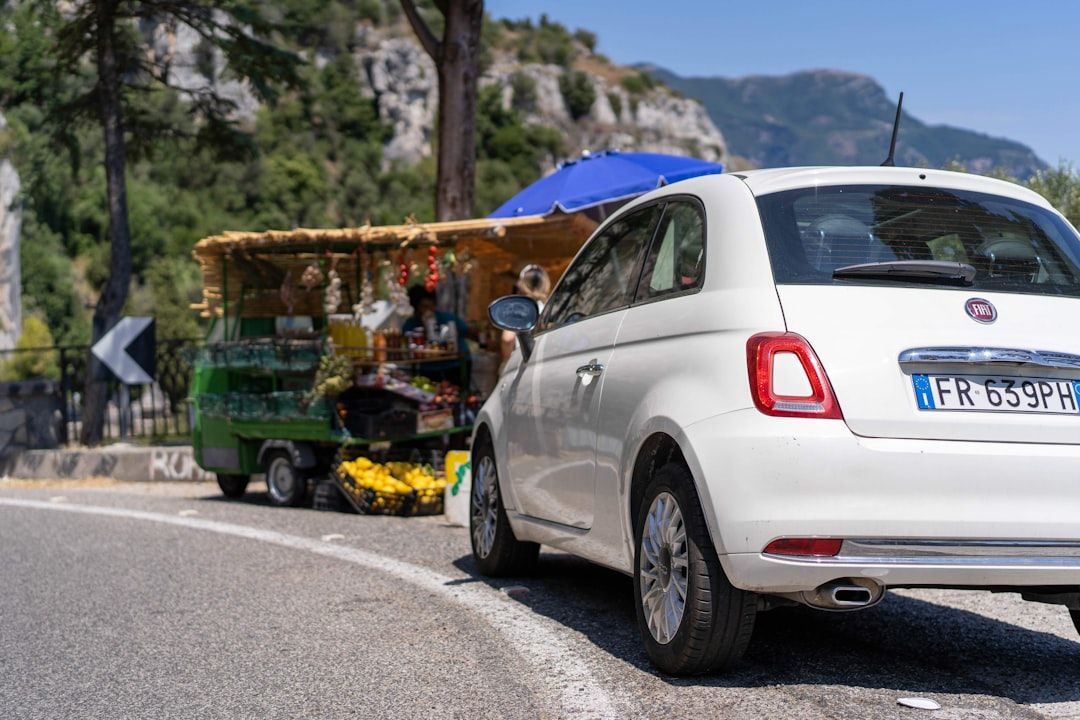
Do not drive
The road is narrow with continuous hairpins, shared with full-size SITA buses that require oncoming traffic to reverse.
Parking in Positano and Amalfi is scarce and very expensive — frequently €5–8 an hour where it exists at all.
Summer alternating-plate restrictions apply on some stretches, limiting access by registration number on given days. Check current rules before assuming you can drive on any date.
Scooters are easier but the road is genuinely dangerous for inexperienced riders.
The two good options
SITA buses. Frequent, cheap, and running the whole coast. Buy tickets before boarding at a tabacchi. Sit on the seaward side.
In peak summer they fill and you may wait for the second or third bus. That is the cost of the cheapest option.
Ferries. Roughly April to October between Positano, Amalfi, Sorrento, Salerno and Capri.
Faster than the bus in summer traffic, considerably more comfortable, and the coast is better from the water. Cancelled in rough sea, which is the one caveat.
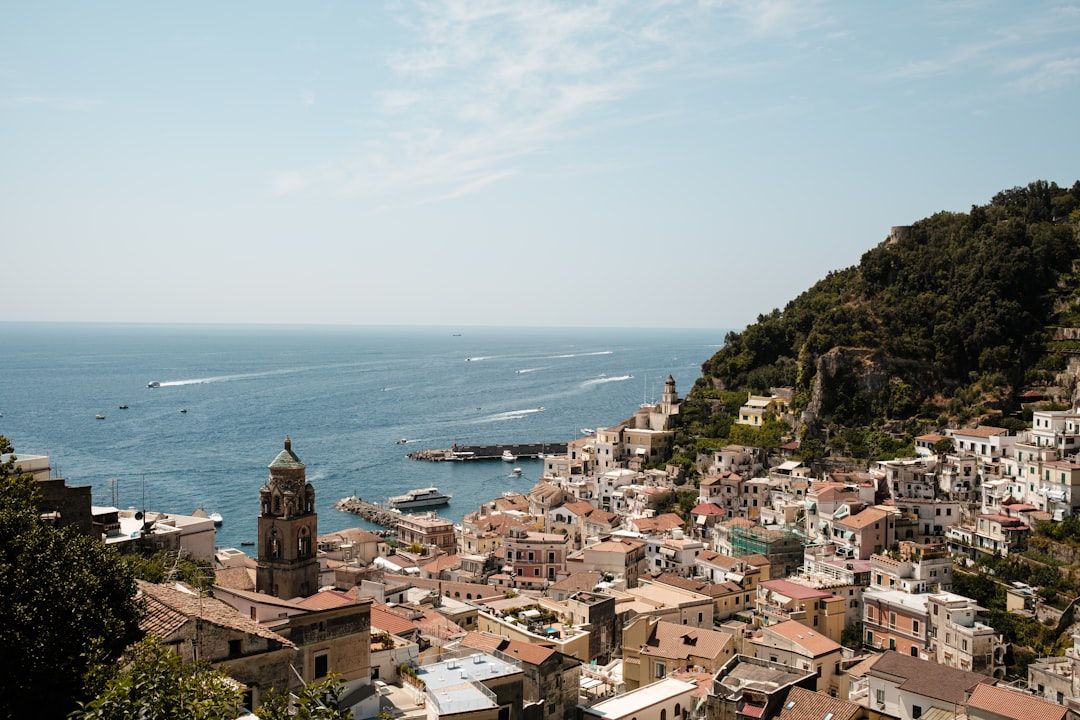
Where to base
| Town | Character |
|---|---|
| Amalfi | Central, best connections, moderate prices |
| Sorrento | Larger, rail link to Naples and Pompeii |
| Positano | Most photographed, most expensive, all stairs |
| Ravello | Above the coast, quiet, gardens, cooler |
| Praiano | Between Positano and Amalfi, quieter, better value |
Positano is built on a near-vertical slope. Everything is stairs, and arriving with a large suitcase is a genuine problem people underestimate.
Sorrento has the rail connection to Naples and Pompeii, which makes it the practical base for a wider trip.
What to actually do
The Path of the Gods — a ridge walk from Bomerano to Nocelle, around seven kilometres, three to four hours, mostly downhill in that direction. Drops and uneven ground, no technical difficulty, little shade.
Ravello's villas — Villa Rufolo and Villa Cimbrone, with the Terrace of Infinity, and a summer music festival on a stage over the cliff.
Amalfi's cathedral, with its striped Arab-Norman facade and cloister.
Boat trips from Positano or Amalfi to the grottoes and coves reachable only by sea, and to Capri.
Pompeii and Herculaneum, from Sorrento by the Circumvesuviana train.
Timing
May, June, September, early October — warm, swimmable from June, and the road is passable.
July and August — full, hot, and the bus queues are long.
November to March — many hotels and restaurants close and the ferries stop. Amalfi and Sorrento stay open; the smaller towns largely do not.