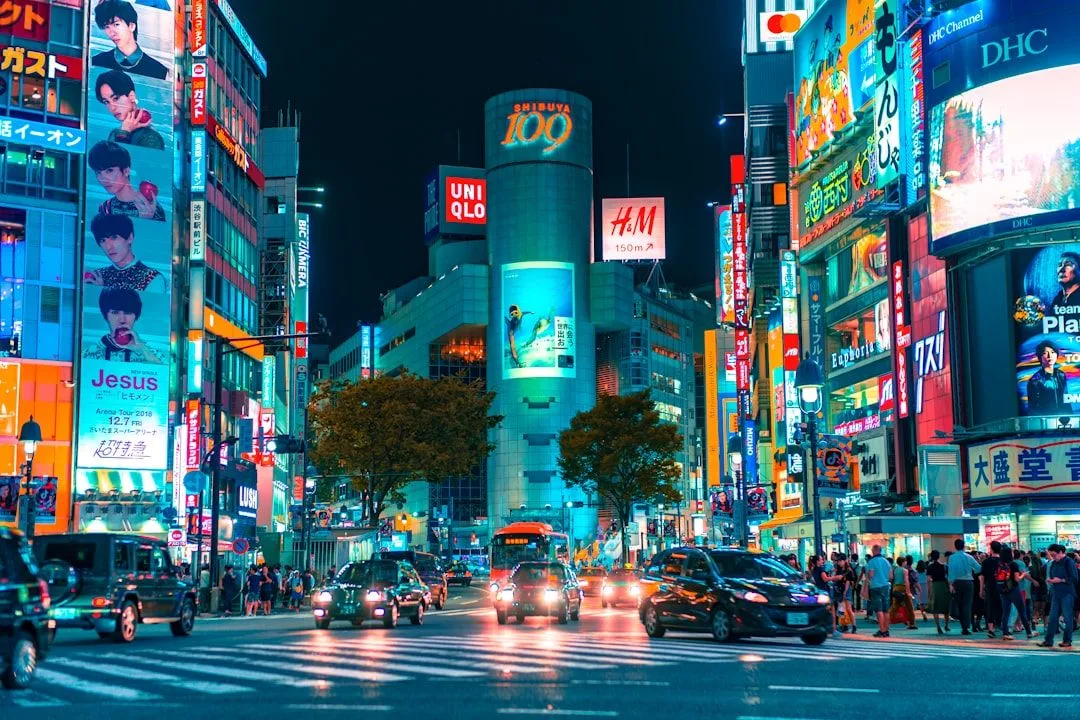
Japan is the easiest country in Asia to travel independently — bilingual signage, legible transport, and a culture of things simply working. That makes the list of things needing advance booking short and worth getting right.
Book months ahead
Ryokan with private open-air baths — two to four months in Hakone, the Alps, Kyoto and popular onsen towns.
Worth doing once. A ryokan is a full experience rather than a room: a multi-course kaiseki dinner, tatami, futons laid out while you eat, and onsen bathing.
Any accommodation during cherry blossom, Golden Week or autumn colour. Prices roughly double and availability collapses.
High-end restaurants, some of which accept reservations only through a hotel concierge or an existing customer.
Book on the release date
The Ghibli Museum. Tickets go on sale on a fixed monthly schedule and are gone within minutes. No walk-up option, no alternative supply.
Set a calendar reminder. It is the hardest ticket in Japan by a wide margin.
Book weeks ahead
Sumo tournaments — six a year, fifteen days each, in Tokyo, Osaka, Nagoya and Fukuoka. Tickets release roughly a month ahead and popular days sell out.
Outside tournament season, morning practice at a training stable, arranged through operators with established relationships since stables do not admit the public directly. The etiquette is strict: silence, stillness, and sitting on the floor for an extended period.
teamLab in peak season.
Tea ceremony in a small session rather than a hotel demonstration.
Worth booking, not urgent
One food tour, early in the trip. What you learn — ticket machines, izakaya conventions, the otoshi cover charge, which alleys matter — you then apply all week.
Look for a stated maximum of eight or fewer. Tokyo's good small restaurants seat six to twelve; a group of twenty cannot enter them.
Craft workshops — indigo dyeing, knife making in Kappabashi, ceramics — where the maker teaches.
Sake tasting with someone who can explain polishing ratios and serving temperature, which is not workable alone in a language you do not read.
What needs nothing at all
Shinkansen seats, available days before departure, with non-reserved cars on most services.
Temples and shrines, signposted and mostly free or a few hundred yen.
Museums, with English labelling.
Every neighbourhood in every city.
Day trips — Kamakura, Nikkō, Nara, Hakone, Himeji.
Ordinary restaurants. Booking is neither expected nor possible; queuing briefly is normal and the queue is often the recommendation.
The JR Pass
Price your actual route on a fare calculator before buying. After the price rise, a Tokyo–Kyoto return alone does not cover a seven-day pass.
Regional passes — Kansai, JR West, JR Kyushu, JR East — are cheaper and frequently better matched to a realistic itinerary.
The thing nobody books and should
Luggage forwarding (takkyūbin), which moves your suitcase between hotels overnight for around ¥2,000.
Cheap, reliable, and it transforms travelling with luggage on Japanese trains. Almost no first-time visitor knows it exists.